
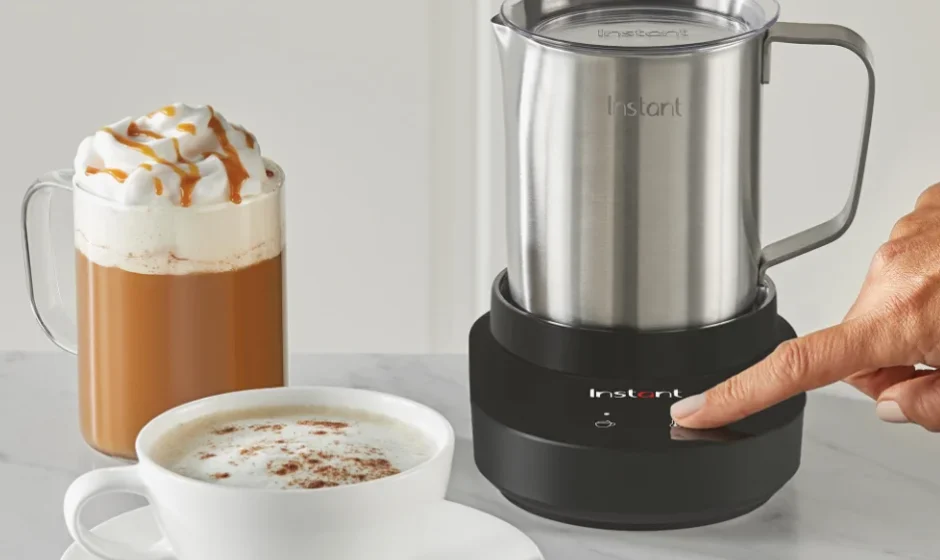

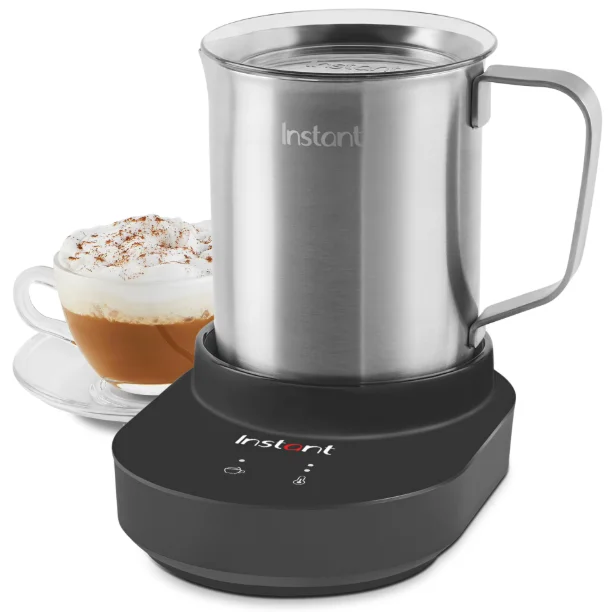
Instant Pot MFM-2000 MagicFroth 9-in-1 Steamer-Frother
IMPORTANT SAFEGUARDS
READ ALL INSTRUCTIONS
Placement
- DO operate the appliance on a stable, noncombustible level surface.
- DO NOT place the appliance on or near a gas or electric burner, or in an oven.
General Use
Spilled liquids from this frother can cause serious burns. Keep the appliance and cord away from children. Never drape a cord over the edge of the counter, never use an outlet below the counter, and never use it with an extension cord. A short power-supply cord is used to reduce the risk resulting from it being grabbed by children, becoming entangled in, or tripping over a longer cord.
- DO NOT use this frother outdoors.
- DO NOT let the frother operate without milk.
- DO NOT use the appliance for anything other than its intended use. Not for commercial use.
- DO regularly inspect the appliance and power cord.
- DO fill the pitcher with only water, milk, or non-dairy milkalternatives. Never fill the pitcher with oil or other liquids.
- DO NOT leave the appliance exposed to sun, wind, and/or snow.
- DO operate and store the appliance above 0°C.
- DO NOT leave the appliance unattended when in use.
- DO NOT allow children to operate the appliance; close supervision is required when any appliance is used near children.
- DO NOT let children play with this appliance. To avoid the risk of personal injury or damage to property, DO NOT open the top cover during the foaming, frothing, or warming process. There are extremely hot liquids within the unit during the foaming, frothing, and warming process.
- DO NOT touch hot surfaces. Use the handle.
- The use of accessory attachments not recommended by the appliance manufacturer may cause injuries.
- Extreme caution must be used when moving an appliance containing hot liquids.
WHAT’S IN THE BOX
Instant Frother Station
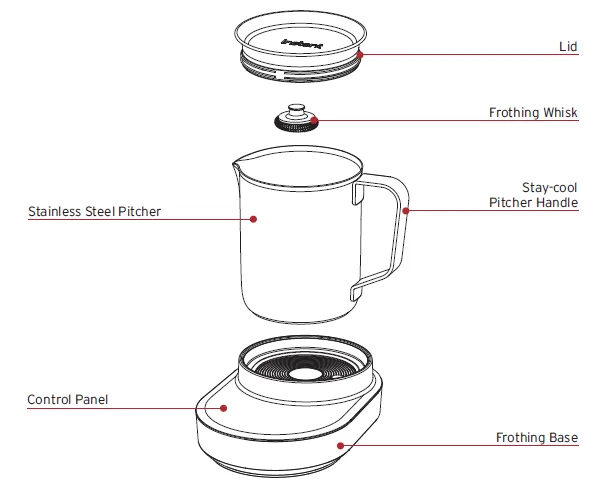
Illustrations are for reference only and may differ from the actual product.
Remember to recycle!
We designed this packaging with sustainability in mind. Please recycle everything that can be recycled where you live. Be sure to keep this User Manual for reference.
BEFORE YOU FROTH
Initial setup
- Pull the Instant Frother Station and all parts out of the box.
- Remove all packaging.
- Place your frother on a dry, stable, level surface.
Initial washing
- Wash the frothing whisk, pitcher, and lid in warm soapy water, then rinse and dry thoroughly. You can also clean these parts on the top rack of the dishwasher.
- With a barely damp cloth, wipe down the frother base and control panel.
USING YOUR INSTANT FROTHER STATION
Control panel
Your Instant Frother Station was designed with an easy-to-use control panel and 4 simple buttons.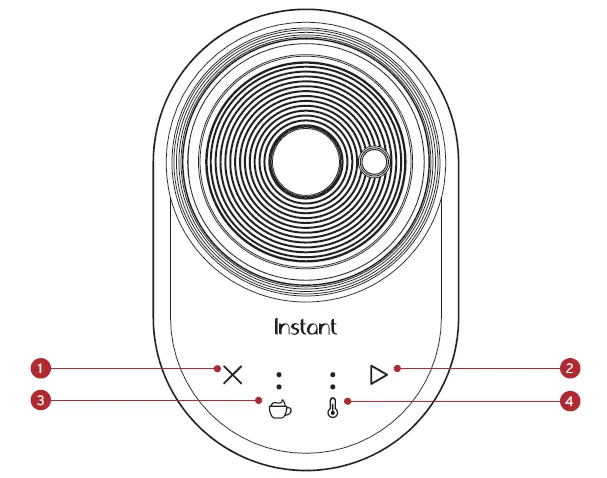
- Cancel
- Start
- Foam options: No Foam (Stir only), Foam (Low Speed), Extra Foam (High Speed)
- Temperature level: Cool (Heat OFF), Warm, Hot
Plugging in your Instant Frother Station
Once you’ve followed the initial setup and washing instructions, plug the frother base power cord into an outlet.
- The control panel buttons will light up, then enter Ready mode. Default settings for Foam and Temperature levels will light up.
- After 5 minutes of inactivity, the frother enters Standby mode. The control panel will dim.
- To re-enter Ready mode, press any button or place/remove the frothing pitcher on/from the frother base.
Sound settings
Turn the sound off
- Press and hold the Foam and Temperature buttons together for 3 seconds.
- Both the Foam and Temperature indicator lights blink once. Sound is turned off and the frother returns to Ready mode.
Turn the sound on
- Press and hold the Foam and Temperature buttons together for 3 seconds.
- Both the Foam and Temperature indicator lights blink twice. Sound is turned on and the frother returns to Ready mode.
Temperature and Foam Settings
Your Instant Frother Station has been designed to help you personalise your foam at the touch of a button. The 3 temperature settings and 3 foam settings can be combined to create up to 9 different programs for your perfect froth.
Temperature
The temperature setting lets you choose whether to froth up warm foam and heated milk, or create cold foam for iced coffee and matcha.
To set or change your temperature level before frothing, press the Temperature button to cycle through the three options: Hot, Warm, and OFF/Cold.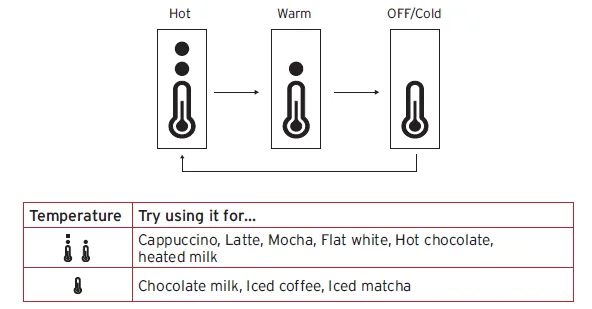
Drinks mentioned are only suggestions. Experiment with different settings and drinks to your personal taste.
Foam level
With adjustable foam settings, you can froth up a little foam or a lot, or turn foaming off to gently stir ingredients into heated milk. To set or change the foam level before frothing, press the Foam button to cycle through the three options: Extra Foam, Foam, OFF/Stir Only.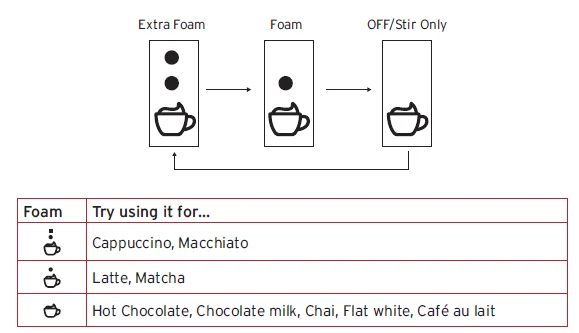
Drinks mentioned are only suggestions. Experiment with different settings and drinks to your personal taste.
FROTHING MILK
- Place the frothing whisk securely into the frothing pitcher. Position the flat end of the frother whisk over the rod at the bottom of the frothing pitcher and push down until it is secure. Do not operate the Frother Station without a frothing whisk installed in the pitcher, as this can cause uneven heating and burning.
- Pour fresh, cold milk of choice into the frothing pitcher between the MIN and MAX frothing indicator lines. See “Milk Measurements” on page 12. Do not overfill the pitcher. Overfilling may cause the milk frother to overflow when using a foam setting.
- Cover the frothing pitcher with the lid.
- Place the frothing pitcher securely on the frother base.
- Press the Start button to begin frothing with default or previously used settings, or
- Change the Foam and Temperature settings and then press Start. See “Temperature and Foam Settings” on page 9.
- The frother will “beep” one time and begin the frothing cycle. To stop frothing, press the Cancel button or remove the frothing pitcher.
- When the milk has reached the correct temperature and thickness, the frother will stop, return to Ready mode, and “beep” one time.
- Carefully remove the frothing pitcher from the frother base using the stay-cool frother handle. Serve the foam with a spoon or pour directly from the spout.
- Enjoy your frothy beverage!
The frothing pitcher must always be in place on the frother base for your Instant Frother Station to operate. Removing it at any time before or during use will automatically stop frothing, and the frother returns to Ready mode.
Be careful: Frothing reaches high temperatures. DO NOT touch the frother pitcher or frother base during or immediately after the brewing process, as both will be very hot. Touching hot surfaces may result in burns, other personal injury, and/or property damage.
Milk Measurements
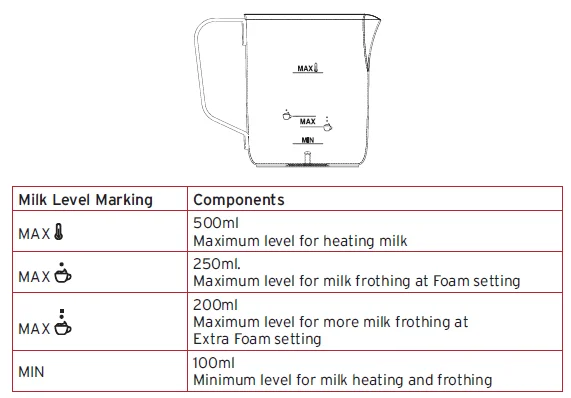
Be careful: To avoid overflow when using the Extra Foam setting, do not add more than 200 mL of milk to the frothing pitcher.
Frothing Tips
Cold milk is best
- Using the coldest, freshest milk will almost always produce the best foam.
- When frothing, millions of tiny air bubbles are introduced into the liquid. The longer it takes to heat up, the more air can be infused into the liquid. The end result is silky, rich foam and a lower chance of scalding.
Not all dairy-free milks produce foam
- Milk with lots of fat will form a thick, creamy foam.
- Milk with less fat and more protein will create a light, airy foam.
- Some plant-based milks are too watery to create the best results. See “Types of Milk” on the following page.
Infuse your foam with flavor
Before frothing, add aromatic spices to the pitcher, like cinnamon, cardamom, or nutmeg, or other fragrant items like lavender.
Let the frother rest
When frothing up large batches of foam, we suggest letting your frother rest for 3–4 minutes after every 2 frothing cycles to ensure it continues to perform at its best.
Creating latte art
As soon as the frother finishes whipping up your warm foam, lift the pitcher off the base (lid on) and gently swirl the pitcher. This helps give your latte foam a glossiness ideal for latte art. Experiment with different milks for the best results.
Types of Milk
As you begin using your Instant Frother Station, you will discover that different milk types and brands produce different types of foam. Depending on your personal taste and desired results, you can experiment with dairy, nut, and plant-based milks. Some dairy-free milk brands offer barista-specific formulas, which can produce better foam compared to the standard formula.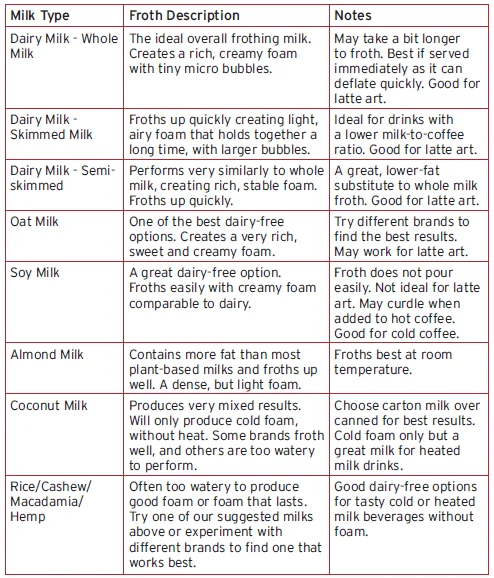
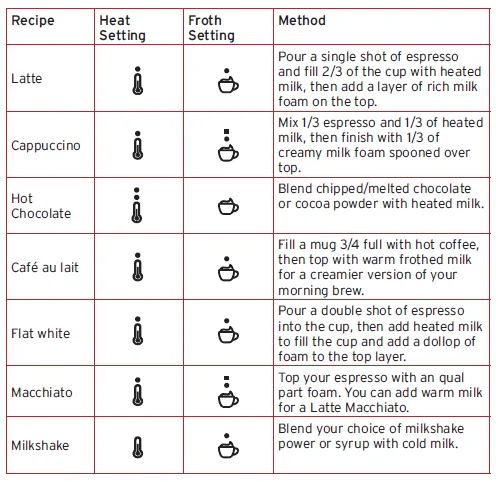
Recipes to try with your Instant Frother Station
CARE, CLEANING, AND STORAGE
Your Instant Frother Station pitcher and whisk should be cleaned after each use to avoid any residue buildup.
Unplug the frother’s power cord from the power outlet and let it cool to room temperature before cleaning. Never use metal scouring pads, abrasive powders, or harsh chemical detergents on any of the frother’s parts.
Let all parts dry thoroughly before each use and before storage.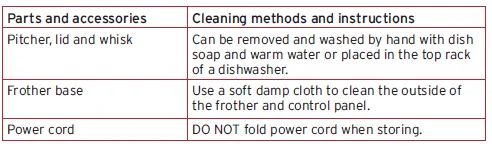
Be careful: The frother contains electrical components.
To avoid fire, electric shock, other personal injury, and/or property damage:
DO NOT rinse or immerse the frother base, power cord, or plug in water or other liquids.
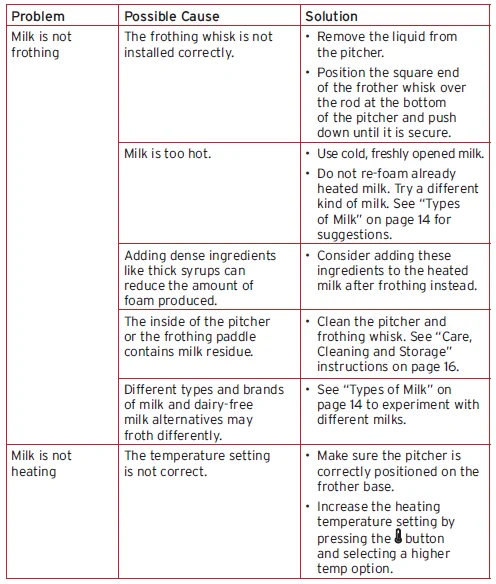
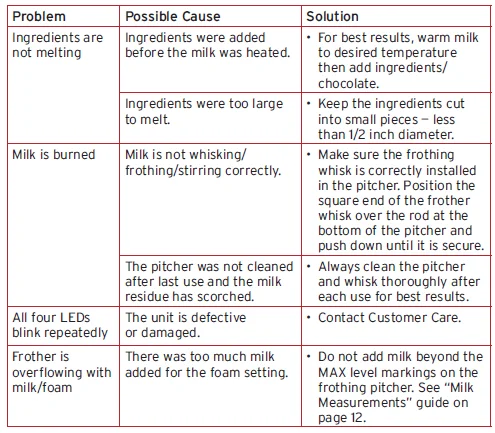
TROUBLESHOOTING
Register your product
instantbrands.co.uk/product-registration
Contact Consumer Care
For more Manuals by Instant Pot, visit ManualsLibraryy
Instant Pot MFM-2000 MagicFroth 9-in-1 Steamer-Frother-FAQs
What are the disadvantages of using a milk frother?
Handheld frothers require manual effort, may struggle with thicker or non-dairy milk, and usually don’t heat milk on their own.
What settings does the Instant Pot MagicFroth offer?
It provides four preset modes: cold foam, light warm foam, dense warm foam, and warm milk.
Is a milk frother worth buying?
Yes. If you love coffee, lattes, or hot chocolate, a frother helps you make café-quality drinks at home.
What’s the difference between a milk frother and a milk steamer?
A frother creates light, airy foam, while a steamer heats and lightly textures milk with steam.
What type of milk froths best?
Whole cow’s milk produces the creamiest foam. Soy, coconut, and almond milk also work but may give different textures.
Can I froth milk for coffee drinks?
Yes. Frothers are great for cappuccinos, lattes, macchiatos, flat whites, and cold foam drinks.
What are common mistakes when frothing milk?
Incorrect wand placement, overheating the milk, re-frothing previously steamed milk, and skipping the swirl/roll technique.
What causes watery or weak foam?
Using very cold or very hot milk, or not aerating properly at the start, can create thin or unstable foam.
Should milk be hot or cold before frothing?
Start with cold milk. It textures best before reaching 100°F (around 38°C).
How do I stop milk from “screaming” while frothing?
Move the frothing wand slightly deeper into the milk—screeching indicates the tip is too close to the surface.